


Welcome to Our new portfolio
Colombia
Mar 11 - Apr 3, 2026
Venue: Centro Cívico Universidad de los Andes
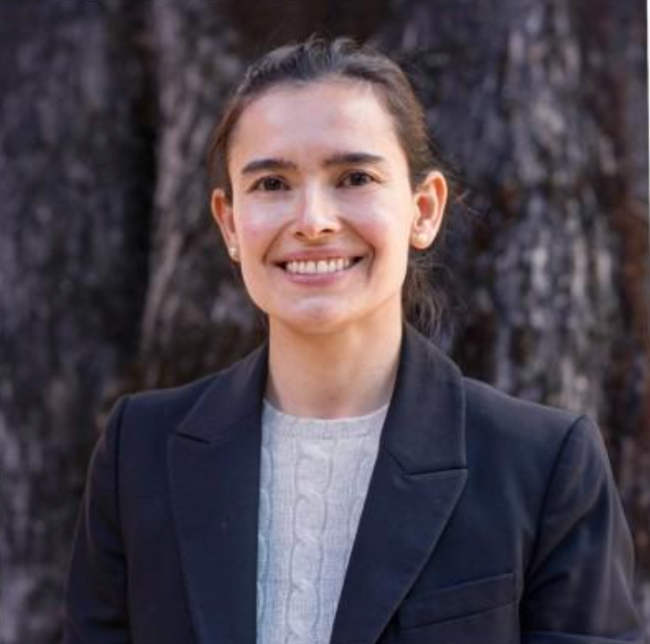
Curated by: María José Afanador Llach is an Assistant Professor of Digital Humanities at the Faculty of Arts and Humanities at Universidad de los Andes in Bogotá, Colombia. She holds a PhD in History from the University of Texas (Austin, USA). Her work focuses on the 18th century and the transition from colony to republic in northern South America through the lens of spatial practices, geographical imagination, and political economy. She also researches the construction of collaborative communities in digital humanities projects, the creation of digital cartographic narratives, and the construction of spatial datasets for historical research. She is the editor of The Programming Historian in spanish, and a member of the core committee of the Colombian Digital Humanities Network. She received the Digital Humanities Awards, with The Programming Historian in spanish, in the category of best Digital Humanities blog (2017). She has been a fellow in various programs and projects, including the Gladys Krieble Delmas Foundation and Duke University fellowship with the Digital Visualization Workshop: Visualizing Venice (2014) and the British Academy fellowship in the Writing Workshop with Adam Crymble (2018). Carolina Cerón is a curator, Associate Professor, and director of the Art Department at the Universidad de los Andes in Bogotá, Colombia. She holds a master's degree in Cultural Industries from Goldsmiths College, London University (London, UK). In her curatorial practice, she is interested in exploring the possibilities of the exhibition format—the space—in tension with language—publications—and the different possibilities of the contingent. She is also interested in working with communities in the development of artistic and cultural projects. She has participated in projects such as La madre, las palabras con los nombres, un sorbo y cuatro rayos (The Mother, the Words with Names, a Sip and Four Rays), winner of the call for curatorial projects for Fragmentos, espacio de arte y memoria (Fragments, Space for Art and Memory) (2025); El oficio de vestirse (The Craft of Dressing up), an exhibition on María Mercedes Carranza at the National Library (2024), Bogotá, Colombia. She co-curated the curatorial project El médium es el mensaje (The Medium is the Message) with María Isabel Rueda. She edited Lo Curatorial desde el sur (The Curatorial from the South) (2023) with Ximena Gama; Pastas El Gallo, at the 45 National Artists Salon (2019) in Bogotá, Colombia; Through the galleries, Atlas of galleries and self-managed spaces in Bogotá, 1940-2018, among others. Juan Camilo González is an assistant professor of Digital Humanities at the Faculty of Arts and Humanities at Universidad de los Andes in Bogotá, Colombia. He holds a PhD in Art, Design, and Media from Nanyang Technological University, Singapore. His doctoral work focuses on data visualization. He holds a master's degree in Animation and Digital Arts from the University of Southern California, United States. He focuses in the creation of animated films, interactive pieces for the internet, and physical computing. He is co-founder of Moebius Animación, a group dedicated to curating and promoting Latin American animation. His creations have been exhibited in Colombia, Argentina, Mexico, Peru, Poland, the United States, and China. He currently directs the EnFlujo Digital Narratives Laboratory at Universidad de los Andes. He has received awards in the animated short film category, including: Jury Prize for animated short film. St. Petersburg, Russia. 2012; Animasivo Festival, Jury Prize for animated short film. Mexico. 2011; FENACO Festival, Jury Prize for animated short film. Peru. 2011, among others. Patricia Zalamea Fajardo is an Associate Professor in the Department of Art History at the Universidad de los Andes in Bogotá, Colombia. Dean for College of Arts and Humanities at the same University (2015-2021). Earned a doctorate in Art History from Rutgers University (New Jersey, USA) with a work on French Renaissance art entitle Subject to Diana: Picturing Desire in French Renaissance Courtly Aesthetics. Her interests focuses on courtly visual culture and its use of ancient mythology, the globalization of the engraved image in early modernity, and the classical tradition in Latin America. In 2014, she was awarded with a grant from CEU-HESP, Central European University, Budapest, Hungary. She was recognized with the Dissertation Teaching Award, from The Graduate School, Rutgers University, New Jersey (2007). Patricia is the editor of H-ART , a publication on art history, theory and critic. She has promoted art history studies in Colombia and Latin America through regional and international partnerships, building academic networks, and participating in projects such as Unfolding Art History in Latin America, funded by a Getty Foundation grant, with the participation of different Art History programs in Ecuador, Mexico, Argentina, and Brazil. Ángela Rivera holds a master's degree in Journalism from the Universidad de los Andes in Bogotá, Colombia, and a bachelor's degree in International Relations from the Universidad del Rosario in Bogotá, Colombia. She has worked in the higher education sector, focusing primarily on coordination, strategic planning, management, and monitoring of academic and administrative processes. She has contributed to various publications in the Colombian media, such as La Silla Vacía, Cumbre, and Cerosetenta. Her main interest is the focus on civic education for the formation of more reflective, critical, and inclusive human beings.Maria José Afanador-Llach
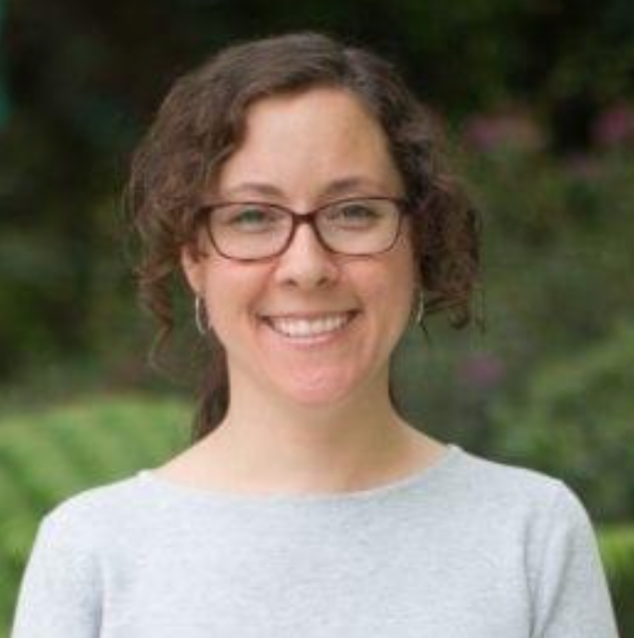
Carolina Cerón
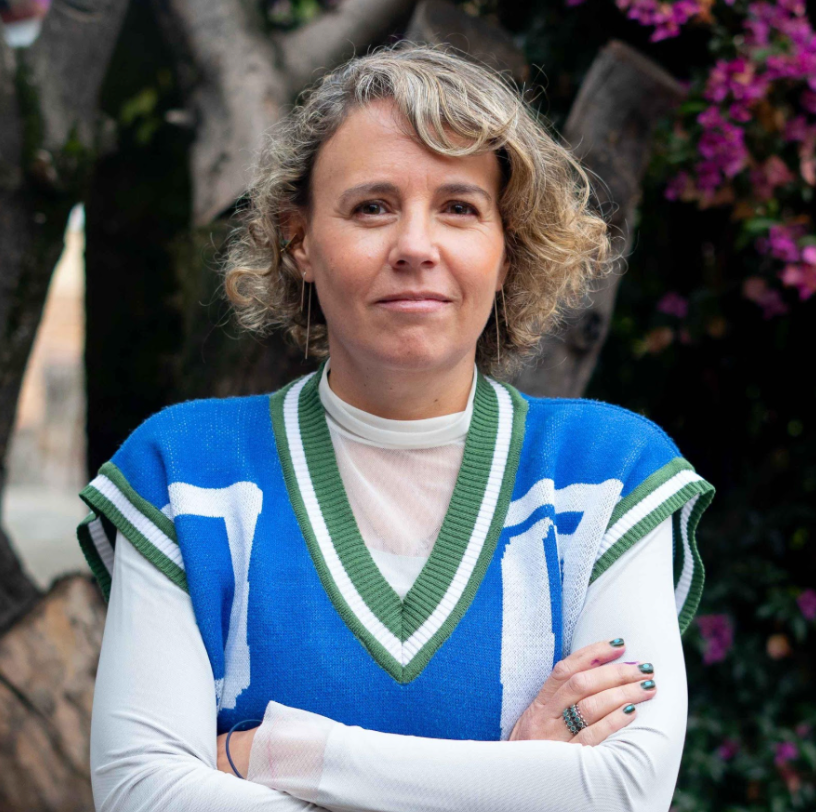
Juan Camilo González
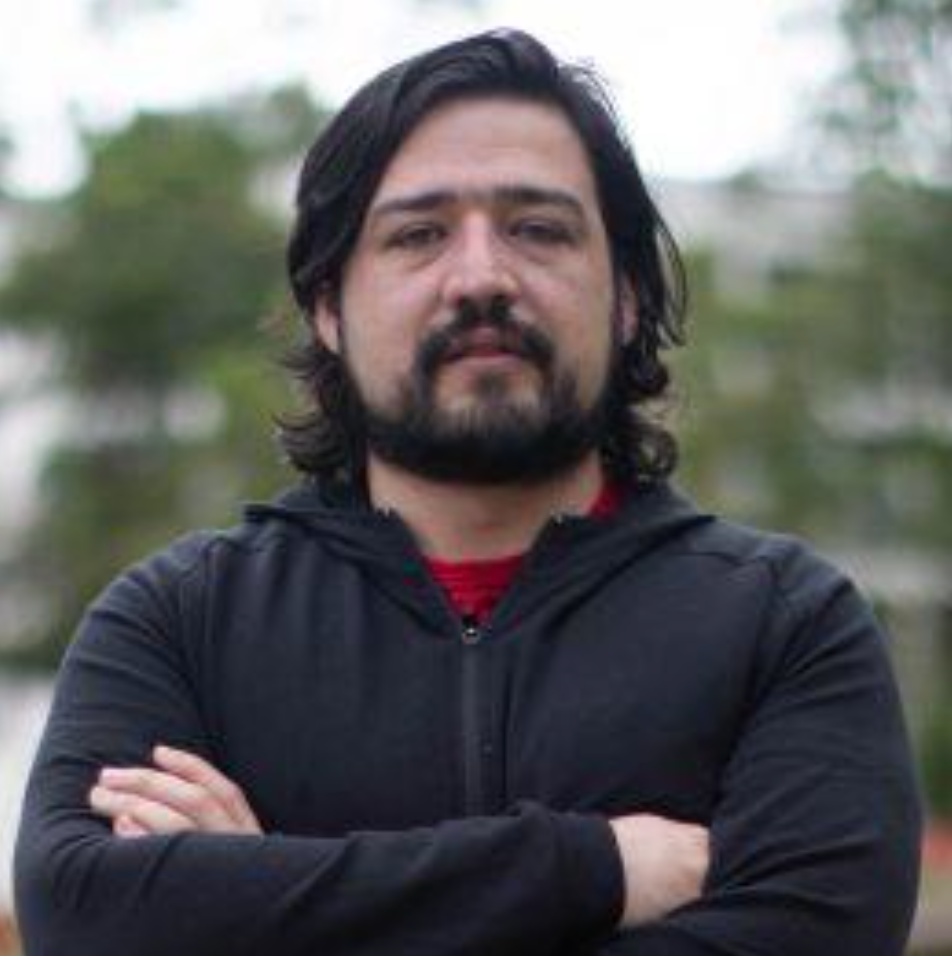
Patricia Zalamea
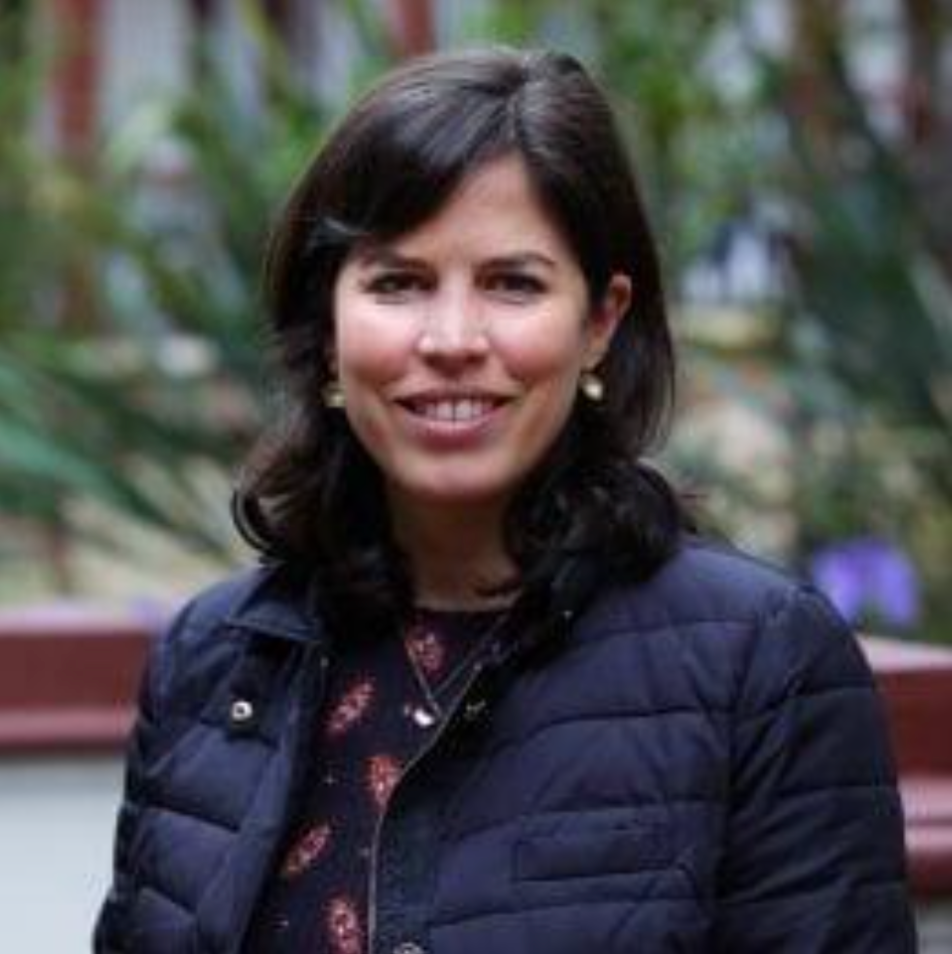
Curatorial Assistant: Ángela Rivera Urrutia


Naming is an everyday gesture: we give names to things to orient ourselves and remember. We name to fix experiences, recognize connections, and make the world habitable. But when we name, we also classify and order. Borges reminds us that “there is no classification of the universe that is not arbitrary and conjectural.” Every name organizes the world and, in doing so, defines what becomes visible, what acquires meaning, and what remains outside.
The language of power has erased memories by changing names, for renaming is also transforming our relationship with the world. Naming is a way of controlling the imagination.
The absence of the nameless resonates in official archives: those who never signed a document, those whose records were not entered into the official narrative. The colonized without a voice. The woman without a signature. The work without an author. The enslaved person without a surname. The migrant reduced to a number. The refugee without a land to give them a name.
In the works gathered here, language appears as a disputed territory. Words, typographies, writings, poems, and moving images show how the act of naming traverses the intimate and the collective. We speak Spanish in the Cundiboyacense highlands, territory of the Chibcha linguistic family. More than sixty indigenous languages coexist in Colombia today, although Spanish predominates over them. Names, like language, organize identities, mark genealogies, and make communities visible. But the language also carries the weight of histories of violence, colonialism, and exclusion.
Between syllables, synonyms, and landscapes, links emerge between people, bodies, and sexualities, while trees, plants, and birds remind us that naming concerns not only the human world but also our relationships with nature. The name is thus revealed as a message, as memory, and as a constant tension between belonging, resisting, and redefining who we are and the worlds we inhabit.
These tensions take on new dimensions in the digital ecosystem. Names circulate as machine-processable data in codes that feed automated classification systems. What once evoked memory is now abstraction, and what is not named within these structures becomes invisible.
The pieces gathered here address and complicate the practices of naming, revealing how names can colonize and decolonize and how personal experiences intersect.
:: Artists ::
:: // > Aarati Akkapeddi is a coder, interdisciplinary artist and educator based in Lenapehoking (Brooklyn, NY). They work for The Experimental Humanities Collaborative Network, where they create digital spaces and tools. In their creative practice, they combine archival material, code, machine learning, and analog techniques (photography & printmaking) to create artwork about intergenerational/collective memory. Their creative work has been supported by institutions such as Ada X, The Photographers' Gallery, The Interactive Telecommunications Program at NYU, ETOPIA Center for Art & Technology, and LES Printshop. Aarati Akkapeddi
aarati.online
:: // > Adriana García Galán
::// > Adolfo Bernal
:: // > Aimema Úai


:: // > Ana María Montenegro Jaramillo
:: // > Ana María Vallejo
:: // > Antonio Caro
:: // > Autor Anónimo

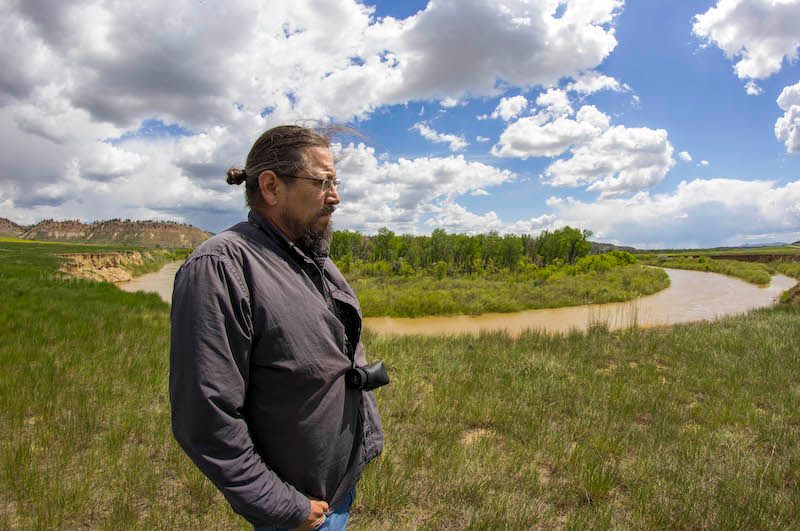
:: // > David Medina

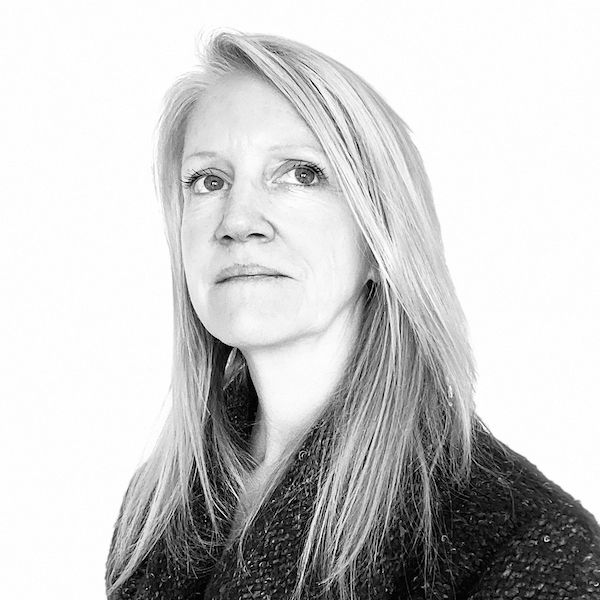

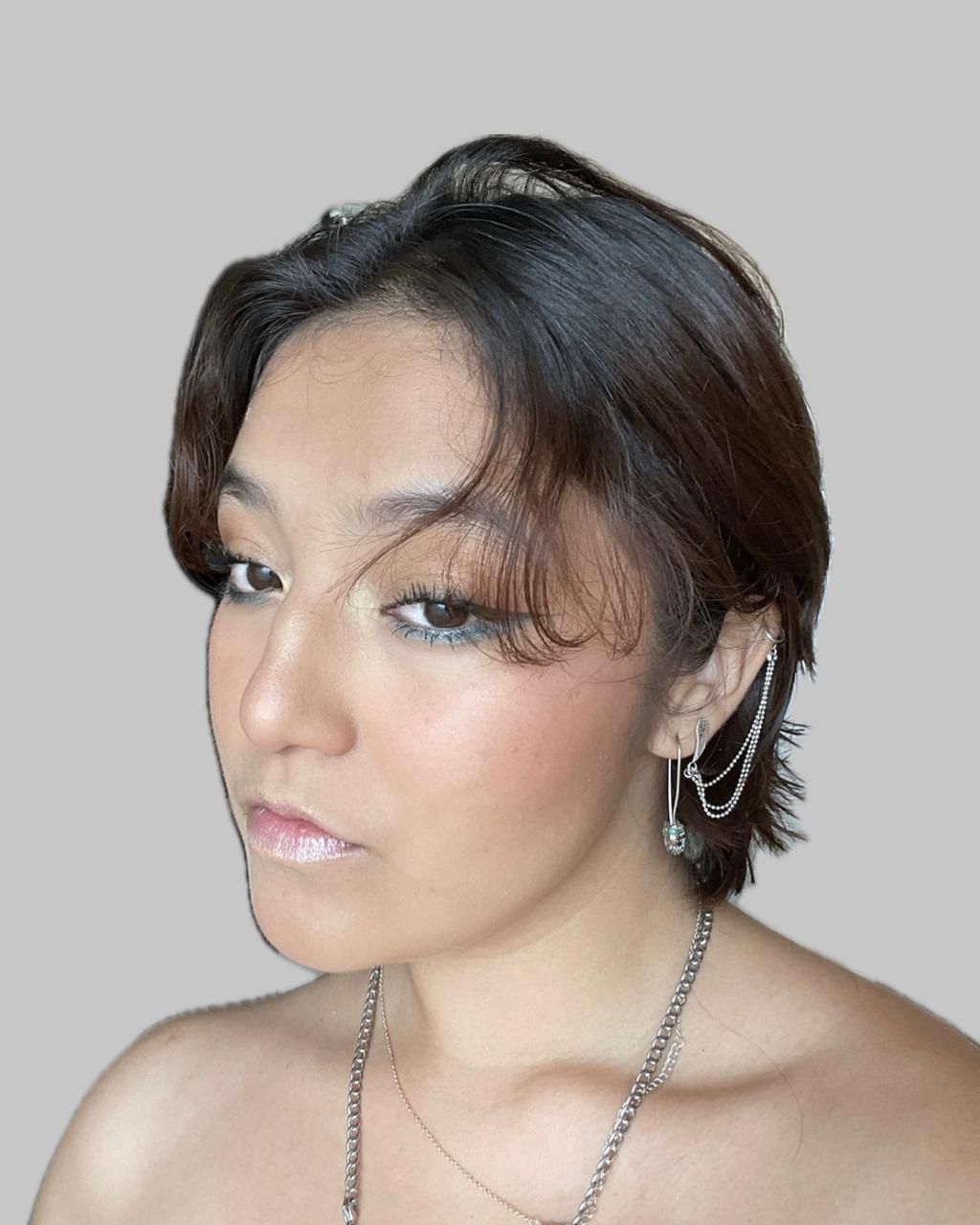
:: // > Giovanni Vargas
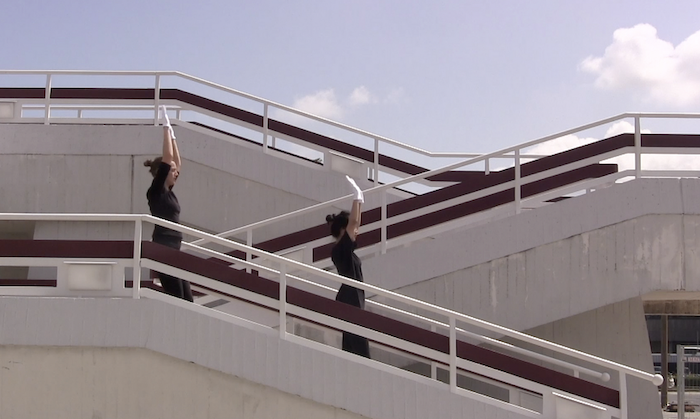
:: // >Hugo Idárraga, Anna Seiderer, Alexander Schellow & Juan Camilo González
:: // >Juan Mejía
:: // >Juan Pablo Fajardo + NC diseño, Bastarda/ PTP/

:: // >Laura Menchaca Ruiz & Khader U. Handal
:: // >Luisa Ungar
:: // >M Jiménez
:: // > Melissa Vargas + EEVA & Carolina Gamboa Hoyos
:: // > Native Land Digital is a Canadian not-for-profit organization, incorporated in December 2018. Native Land Digital is Indigenous-led, with an Indigenous Executive Director and majority Indigenous Board of Directors who oversee and direct the organization. Numerous non-Indigenous people also contribute as members of our Advisory Council. The Board of Directors govern finances, set priorities, and appoint staff members as required.Native Land Digital
More about the team can be found here.
:: // > Rafael Díaz
:: // > Rosa Navarro